
Fortnite Players Receive $72 Million Refund: The Dark Pattern Reckoning Unfolds in Chapter 6
Fortnite dark patterns spark a $72 million FTC refund, reshaping gaming with massive payouts and exposing deceptive in-game purchases.
The year is 2026, and the Fortnite community is absolutely vibrating with a mixture of shock, glee, and a pinch of righteous fury. 💸 Imagine logging into your bank account only to find a mysterious $114 from the United States Federal Trade Commission, all because a global gaming giant played a little too fast and loose with its in-game purchase buttons. 🌪️ That is not a fever dream—it is the glorious reality for hundreds of thousands of players who fell victim to what the FTC has dubbed Fortnite’s sinister “dark patterns.” The $72 million refund avalanche has arrived, and the gaming world will never be the same.
How did this happen? How did a game celebrated for its dancing bananas and galaxy-spanning crossovers end up as the poster child for deceptive design? The answer lies in a labyrinth of counterintuitive buttons, hidden charges, and a purchasing architecture so confusing it could make a V-Buck billionaire weep. 🎮 Since its explosive launch in 2017, Fortnite has ruled the battle royale kingdom with a bedazzled iron fist, raking in billions through item shops that rotated faster than a tornado. Limited-time skins, emotes, and harvesting tools created a perpetual fear of missing out—a FOMO monster that devoured parental wallets while toddlers mashed the controller unsuspectingly. According to the FTC, Epic Games outright allowed children to rack up unauthorized purchases without any parental consent, and then locked the accounts of those who dared dispute the credit card charges. The sheer audacity! 🚨
Epic’s “accidental purchase” labyrinth was not a bug—it was a feature. The federal complaint, originally filed way back in December 2022, exposed a web of design tricks: inconsistent button placements, muddled confirmation steps, and a purchasing flow that turned a single sleepy thumb-press into a $20 skin. “Fortnite’s counterintuitive, inconsistent, and confusing button configuration led players to incur unwanted charges based on the press of a single button,” the FTC’s statement thundered. Can you imagine? One moment you are trying to open a locker to check a new glider, and the next your credit card is sobbing in a corner. The dark patterns were so deeply woven into the code that even veteran players found themselves trapped. And now, justice has finally rolled through Tilted Towers with a wrecking ball.
Let the numbers sink into your soul like a Chug Jug. The FTC’s refund machine is distributing over $72 million in restitution. Players are flooding social media with screenshots of their direct deposit notifications, each one a tiny digital middle finger to the old monetization regime. Here is the glorious breakdown:
| Refund Detail | Eye-Popping Statistic |
|---|---|
| Total FTC Payback | $72,000,000 💰 |
| Average Refund Per Eligible Player | $114 🎉 |
| Number of Affected Accounts | Hundreds of thousands 😱 |
| Original Complaint Filed | December 2022 📅 |
| Epic’s Alleged Misdeed | Unauthorized charges + account locks 🔒 |
This payout is not just a financial Band-Aid—it is a cultural earthquake. For years, Fortnite thrived on that heart-racing FOMO. Shop refreshes induced panic; item rarity was a weapon. Yet public sentiment has swerved. Epic Games, battered by lawsuits and a scandal-stained reputation, has been forced to perform the unthinkable: they are bringing back previous battle passes. 🤯 Yes, the very same battle passes that locked legendary characters like Spider-Gwen, Midas, or the Mandalorian behind a timed paywall will now crawl out of the vault. Long-suffering fans who missed out on their favorite pixelated heroes can finally exhale. The era of the permanently gated skin is crumbling, and it is glorious to witness.
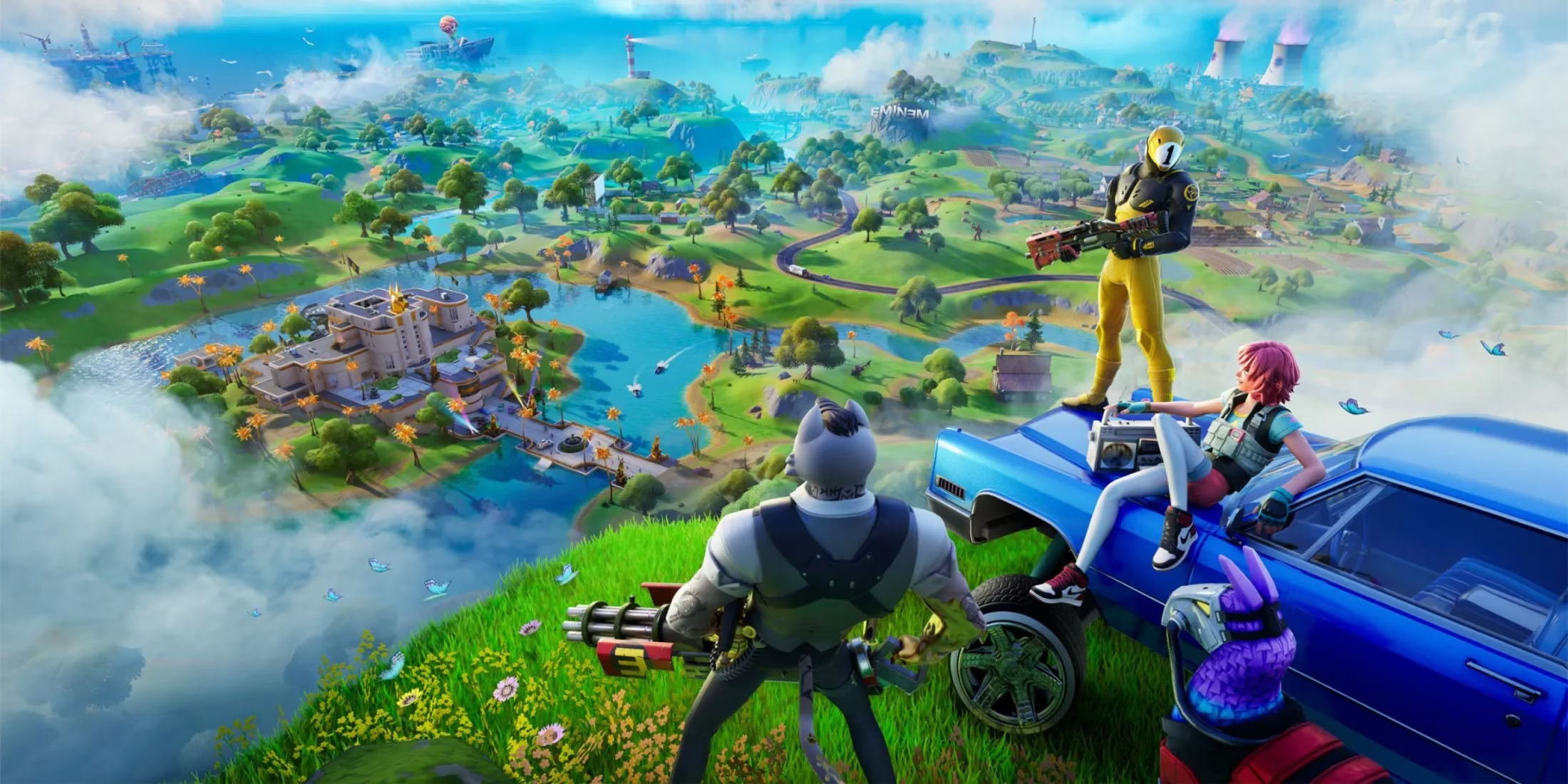
And as 2026 unfolds, Fortnite itself has entered a phoenix-like rebirth with its Chapter 6 transformation. The battle royale map is now a sprawling masterpiece littered with secrets so juicy they could fill a hundred clickbait videos. New locations burst with verticality and lore, while a brand-new battle pass showers players with fresh cosmetics devoid of the old trickery. But the real fireworks lie in the expanded LEGO and Festival modes—experiences that now feel like entire standalone games bolted onto the Fortnite ecosystem. Epic is roaring back, but with a new mantra: monetization with transparency, not mind games.
Is this a genuine redemption arc, or simply a corporation doing damage control after being slapped by federal regulators? Could the original sin of the item shop ever be fully cleansed? The players still walk a knife’s edge between excitement and skepticism. One thing is certain: the $72 million refund has turned the page on a dark chapter. The next time a purchase prompt flashes on screen, it will be delivered with a clarity that respects the thumb that presses it. Fortnite’s Chapter 6 is not just a new map—it is a new moral economy. And for the gamers who got their money back, every V-Buck from now on will feel a little less cursed. 🙌