
Fortnite's Pop Star Collection Phenomenon: How Digital Fashion and Celebrity Skins Are Redefining Gaming Culture
Fortnite pop star skins and the Item Shop have redefined gaming, sparking a vibrant, emotional collector's quest for music icon cosmetics.
In the ever-evolving landscape of Fortnite, a unique player archetype has emerged—one that prioritizes the Item Shop over Victory Royales, and values sparkle trails over sniper rifles. For a growing segment of the player base, dropping into the Battle Royale isn't just about securing loot and eliminations; it's about curating a personal pop star collection, turning the locker into a digital hall of fame for music icons. As of 2026, this pursuit has become a central, celebrated part of the Fortnite experience, reflecting a profound shift in what gaming represents to its diverse audience.
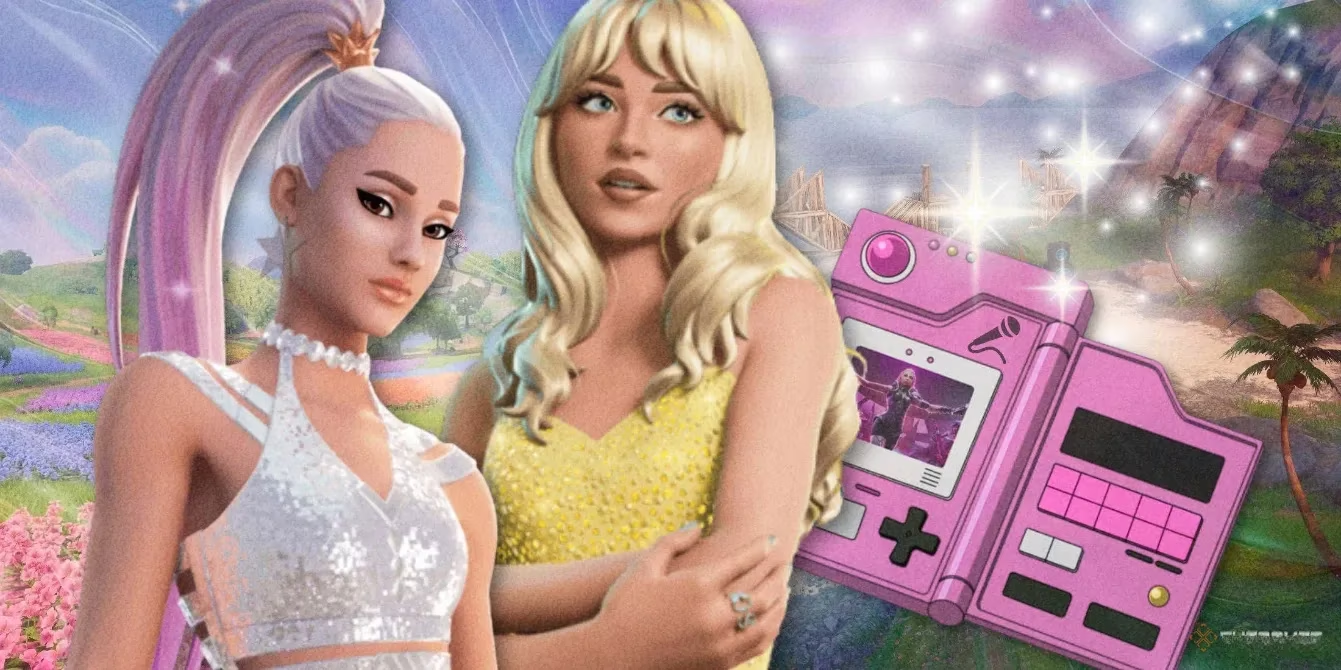
The collection game is real, and the stakes are emotional. Veterans of this pop-star hunt speak of their digital rosters with a mix of pride and poignant longing. Owning the Ariana Grande skin, with its gravity-defying ponytail physics, is a badge of honor. Securing Sabrina Carpenter and securing a Victory Crown while dressed in a pastel dream is, as they say, pure icon behavior. Yet, for every triumph, there is a haunting 'one that got away.' The collective trauma of missing Lady Gaga's limited-time shop appearance is palpable. The holiday season failure to acquire Mariah Carey is described not as a simple oversight, but as a personal failing—a betrayal of Christmas itself. The declaration for the coming year is resolute: the gaps in the collection, notably the elusive Billie Eilish skin, will be filled. This isn't just shopping; it's a quest for completion.
Naturally, this trend invites criticism from some corners of the community, with complaints that Fortnite has become 'just all celebrity promo now.' However, advocates counter with a simple, powerful question: 'And?' The joy of gliding into a hot-drop zone like Tilted Towers with a glittering cosmetic trail, accompanied by a Doja Cat emote, is its own reward. The ability to break into a chorus of 'Espresso' mid-build battle transforms the competitive arena into a personal stadium. At its core, gaming is meant to be fun, and for many, there is nothing more fun than having their favorite pop queens along for the ride, shotgun in hand.
This cultural shift, however, extends far beyond simple fun or savvy marketing. It represents a meaningful evolution in gaming inclusivity. For players who grew up as girls, the gaming world rarely rolled out the pink carpet. Mainstream titles often felt alien, built around archetypes and aesthetics that didn't resonate. The occasional niche title was offered, but the blockbuster experiences rarely featured or celebrated the artists and styles they loved.
The inclusion of major pop stars in Fortnite feels different. It's perceived as more than a transactional licensing deal. It serves as a vibrant, welcoming beacon, offering younger players encouragement to enter and claim space in a domain that wasn't historically designed with them in mind. For long-time female gamers, it feels like a long-overdue recognition—a validation of their presence and preferences. Logging into a lobby and seeing a server full of sparkly Sabrina Carpenters, silly synchronized dances, and shared pop culture references creates a powerful sense of community. It signals that the definition of a 'gamer' and the spectrum of in-game joy have dramatically, and positively, expanded.
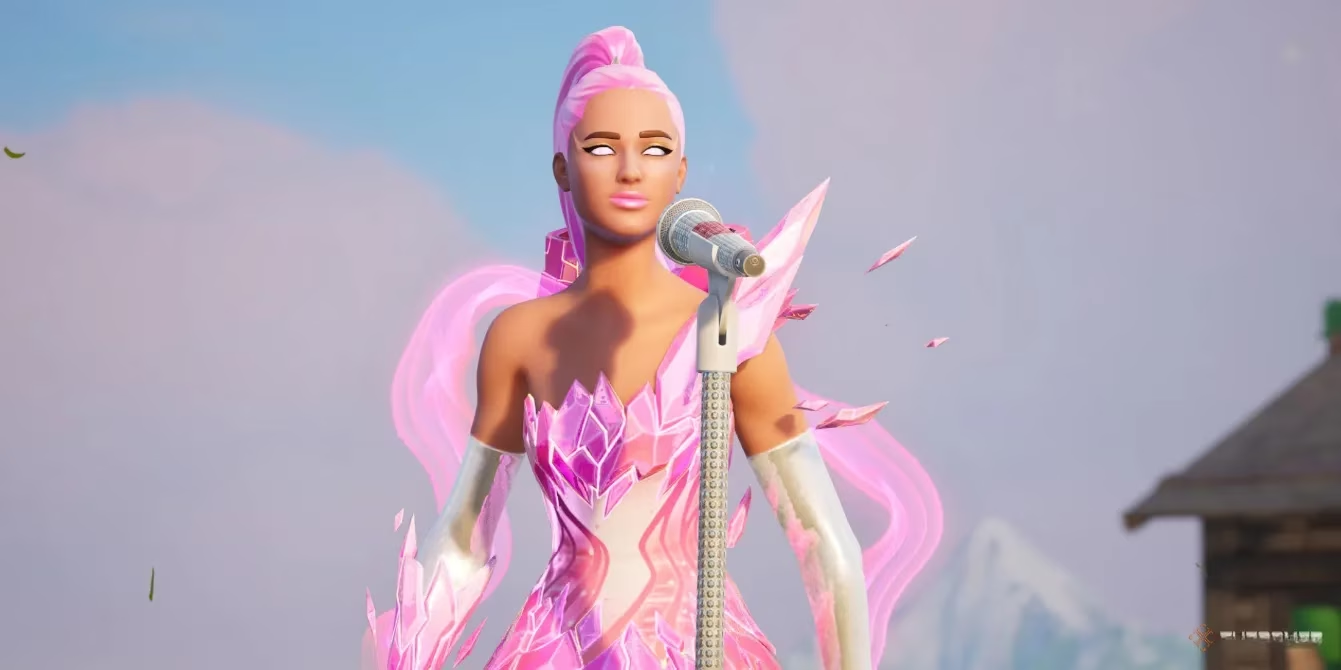
The pop star 'Pokedex' is far from complete, and the community's wishlist for Epic Games is both specific and passionate. Players are vocal about their desires for future collaborations:
-
Taylor Swift, ideally in an outfit from her 'Bejeweled' era, is at the top of many lists.
-
Lorde, capturing her signature indie, windblown aesthetic, is a highly requested addition.
-
A Britney Spears comeback skin is seen as not just fitting, but deserved.
-
The absence of Beyoncé is considered a glaring omission, with fans joking that her lack of a skin could cause a community-wide spiral.
These aren't just passive requests; they are demands from an engaged player base that sees these skins as essential to their personal and collective gaming identity.
Ultimately, this phenomenon redefines the player's purpose within Fortnite. Yes, they are there to compete—to clutch a Zero Build match with a Holo Twister in hand. But they are also there to stunt, to collect, and to sparkle. The act of wiping out a full squad while dressed as Sabrina Carpenter in platform boots is a multifaceted victory. It's a triumph of skill, certainly, but also a statement of style and identity. The playful taunt of 'Have you ever tried this one?' before an elimination is the new victory royale. For a generation of players, this blend of competition, customization, and cultural celebration isn't a side activity—it's the core experience. It's a digital expression of modern girlhood, boyhood, and everything in between, and the community, for the most part, is unequivocally here for it.